Balance
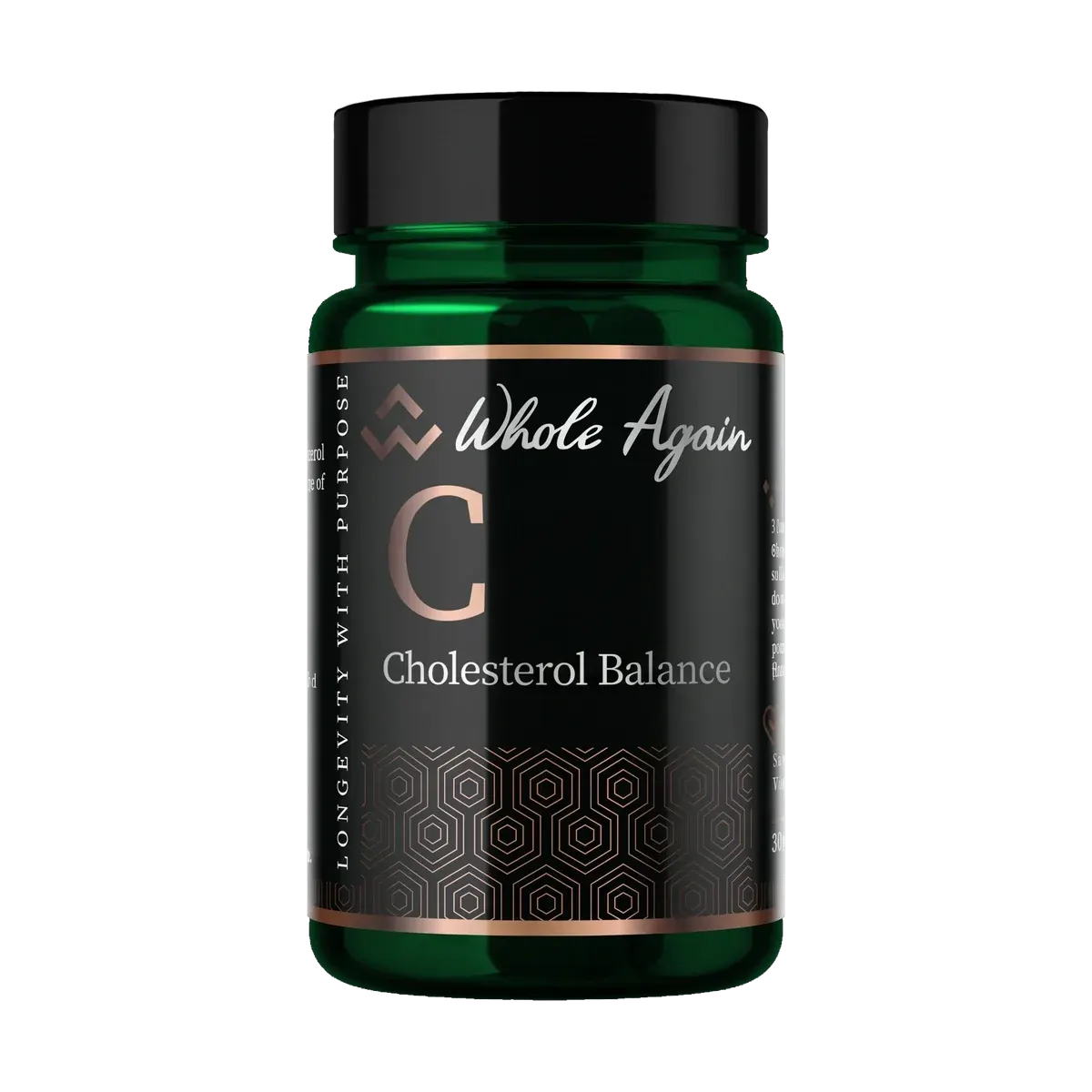
Cholesterol Balance
30 capsules, Suitable for vegans
R 483,29Specially formulated natural blend of Red Yeast Rice Extract, Co-Enzyme Q10 and Policosanol.
Not suitable for use in children
Pregnancy and breastfeeding
Safety during pregnancy and whilst breastfeeding has not been established.
This medicine has not been evaluated by SAHPRA for quality, safety or intended use. This medicine is not intended to diagnose, treat, cure or prevent any disease.
What it is
Formulated to assist with decreased absorption of cholesterol from the small intestines. It may assist in decreasing production of endogenous cholesterol and replaces an essential enzyme Co-Q10 that is often depleted with use of chronic medication.
The addition of Policosanol supports healthy lipid metabolism.
Watch
Ingredients
Each capsule contains the following active ingredients:
| Active ingredient | Amount per capsule |
|---|---|
| Red Rice Yeast Extract (Monascus purpureus) | 400 mg |
| Standardised to 5% lovastatin | |
| Providing 0.4% lovastatin | |
| Coenzyme Q10 (Ubiquinone) | 100 mg |
| Policosanol | 10 mg |
- Other ingredients
- Microcrystalline cellulose, Magnesium stearate
- Free from
- Gluten, wheat, salt, sugar, dairy, soya, yeasts, preservatives and artificial flavours
- Vegan
- Suitable for vegans
How to take it
Adults: Take 1 capsule daily with meals, or as directed by your healthcare provider.
This dosage can be increased to 1 capsule twice daily on the advice of your healthcare practitioner.
Before you take it
Not suitable for use in children
Pregnancy and breastfeeding
Safety during pregnancy and whilst breastfeeding has not been established.
Warnings
- Hypersensitivity (allergic) to any of the ingredients.
- Individuals taking anticoagulants should consult a healthcare professional before taking this medication.
Always tell your doctor or pharmacist about any other medicines or supplements you take.
Product details
- Pack size
- 30 capsules
- Appearance
- Vegetable capsule.
- Scheduling status
- Unscheduled
- Category D
- Complementary medicine
- Discipline
- Health supplement
Related questions
What is a lipogram?
A lipogram is a blood test that measures the total cholesterol and its constituents: LDL, HDL, triglycerides, and cholesterol to HDL ratios.
What is LDL and what is a normal level?
LDL stands for low density lipoprotein and levels below 3.0 mmol/l are considered safe, for the general adult population. However, doctors may target lower levels based on certain risk factors or conditions. Diabetes, previous heart attack or strokes and kidney disease may warrant lower targets of control. Chronic low-grade inflammation can change the particle size of LDL and make it denser and more dangerous (atherogenic). So, both amount and size of the LDL particle may be important to consider.
What increases LDL?
Diets high in saturated fats can cause LDL to go up. Medical conditions such as liver disease, hypothyroidism and diabetes may elevate LDL levels.
What is HDL and what is a normal level?
HDL stands for high density lipoprotein and is considered the good cholesterol particle. Levels above 1.0 mmol/l for males and above 1.2 mmol/l for females are considered normal. Higher HDL levels are associated with better cardiovascular health. People with fatty liver, non-alcoholic steatosis hepatitis (NASH), metabolic syndrome, type 2 diabetes and kidney disease may have low HDL levels.
What are triglycerides and what is a normal level?
Triglycerides are lipids or fats that are found in certain food that we eat and is carried in the blood. Most of the fats we eat are in triglyceride form. However extra calories from alcohol and sugars (carbohydrates) that we consume can turn into triglycerides and are stored in fat cells.
Excessive alcohol, liver and kidney disease, uncontrolled diabetes, thyroid disease, smoking, obesity, menopause, certain genetic traits, cortisone, beta blockers, certain HIV treatments and diuretics can elevate triglyceride levels. Levels below 1.7 mmol/l are considered safe. A level below 1.0 mmol/l may indicate a healthy diet.
What is a total cholesterol / HDL ratio?
This is a ratio that measures the amount of bad cholesterol vs good cholesterol. The higher the HDL level the better the ratio. A level below 4.0 is considered safe. The lower the ratio the better.
Supports
Explore the body systems this product is formulated to support.
Related products
Formulated for the same body systems.